
Sleeping Under Xinjiang’s Stars: Desert and Grassland Glamping Camps and Yurt Stays
The night is the best part of Xinjiang
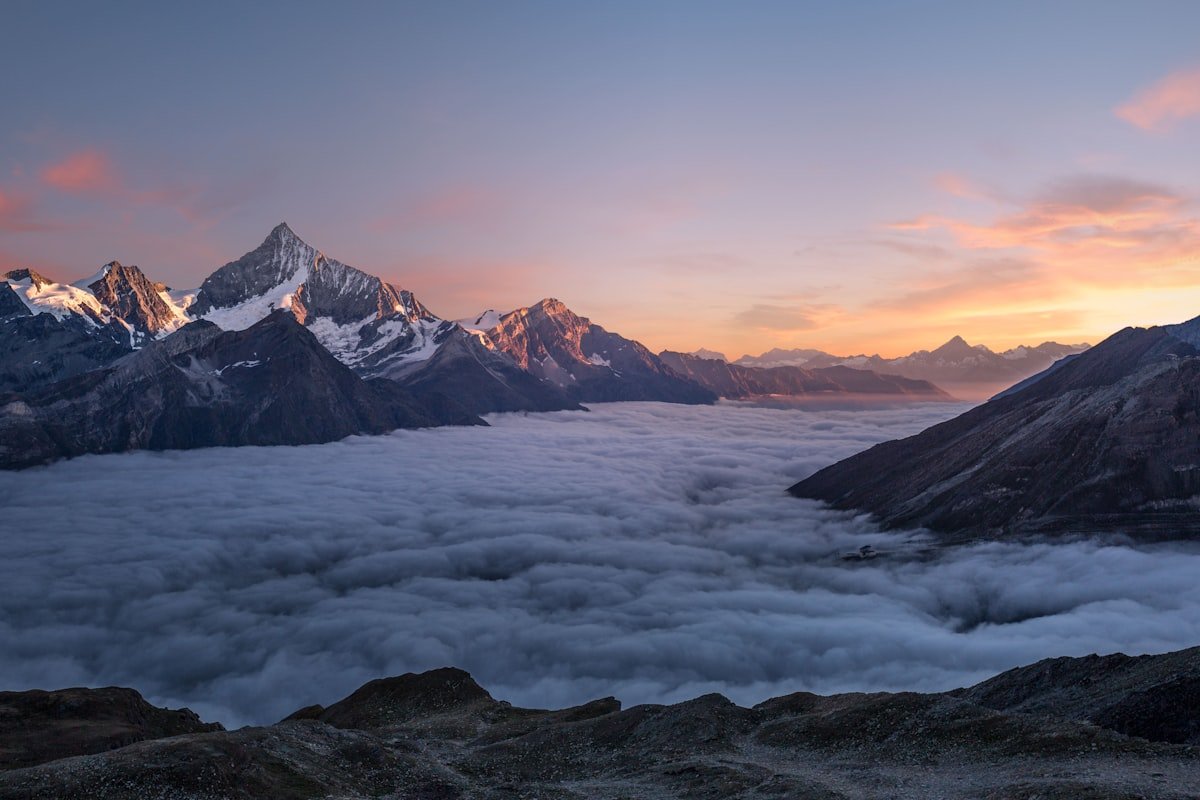
People plan Xinjiang around its days: the lakes, the canyons, the drive. I plan around its nights. The air is dry, the light pollution is low once you leave the cities, and on a clear steppe or dune the sky is the thickest spread of stars I have seen outside the High Atlas. The problem was always where to sleep to enjoy it. Hotels put you in a town; camps put you under it. Over three trips I learned the difference between a real glamping camp, a basic yurt stay, and a tent you regret, and this is the guide I wish someone had handed me before my first cold night in a cheap yurt.
First, a distinction. Staying with a Kazakh herding family in a working yurt is a cultural exchange, and the nomadic life guide covers that beautifully. What I mean here is the commercial camp: a bookable site with yurts or cabins, a bathroom, and usually food, set up so travelers can sleep well in the landscape. Both are worth doing; they are not the same thing, and mixing them up leads to the wrong expectation.
Grassland camps in the Ili Valley
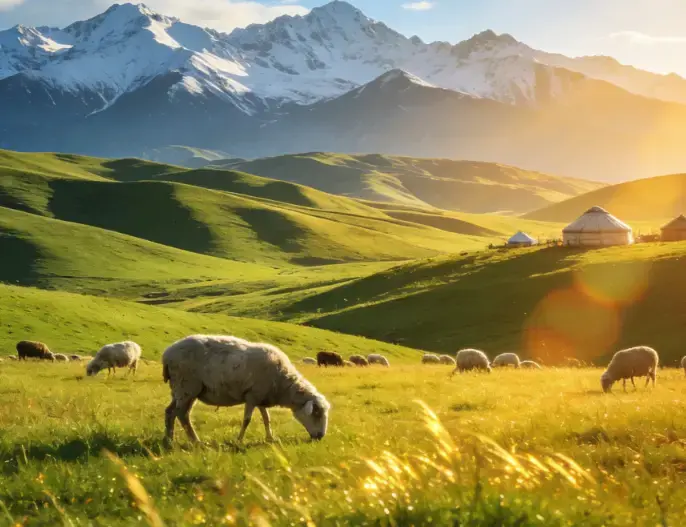
The Ili Valley is where the camp scene is most developed. Around Nalati and the smaller meadows nearby, you can book a yurt camp from May to October with a bed, a heater for the cold nights, and a breakfast of milk tea and naan. I stayed at one outside Nalati in June and walked from my yurt door to a wildflower meadow in my socks. The Nalati guide lists the main access points; the camps sit just outside the paid scenic zone, which keeps them cheaper and quieter than the in-park hotels and lets you hear the grass instead of the coaches.
Book ahead in July and August, when domestic tourists fill them. A night ran me 280 to 450 yuan including breakfast, and the better ones had a proper toilet block and hot water in the morning. The cheap ones had neither, so read the listing carefully or you will be washing in a bucket and regretting the saving by midnight.
Lakeside camps at Sayram and the high country
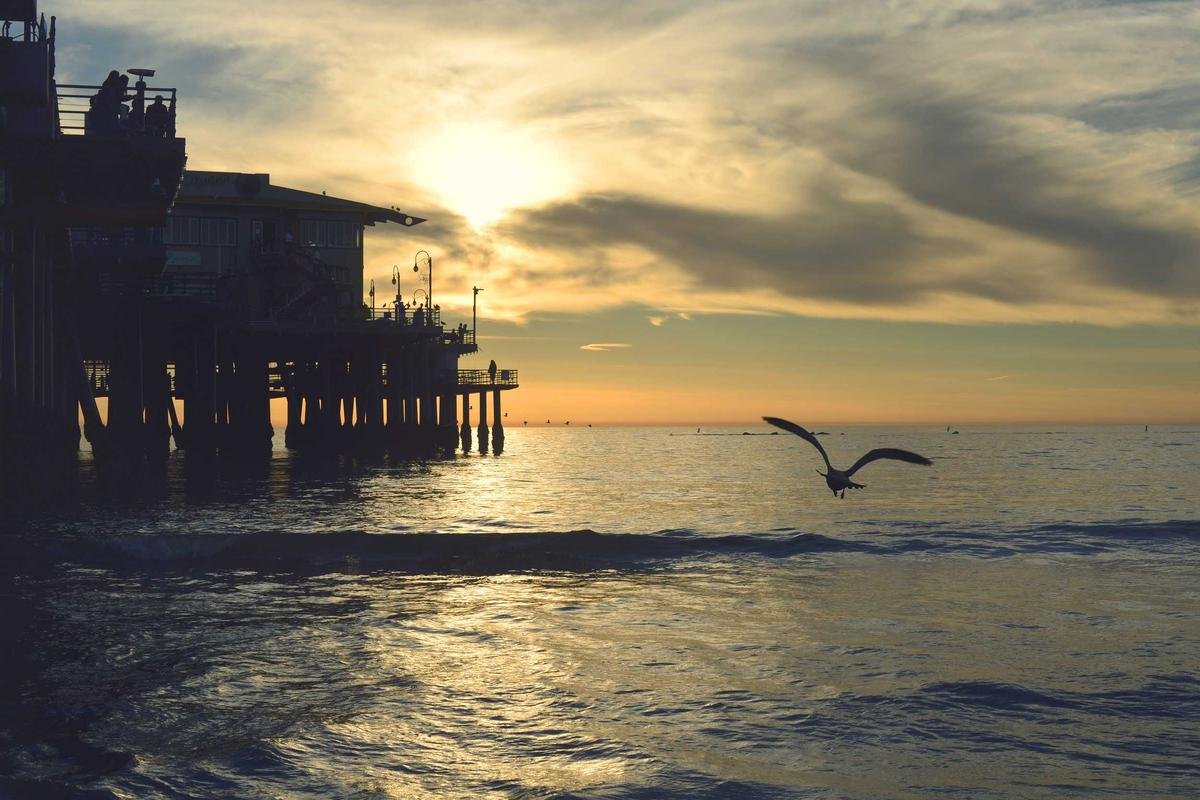
The Sayram Lake shore has a growing ring of camps, some permanent cabins and some seasonal tent sites, positioned for the sunrise over the water. I camped there in early July when the meadows around the lake were in flower, and woke to mist burning off the surface while a family of birds argued in the reeds. The wind is strong, so peg everything down and pick a cabin over a tent if you are there outside high summer. These camps book out on weekends, so a weekday arrival is smarter, and the silence midweek is the point.
Desert camps in the south
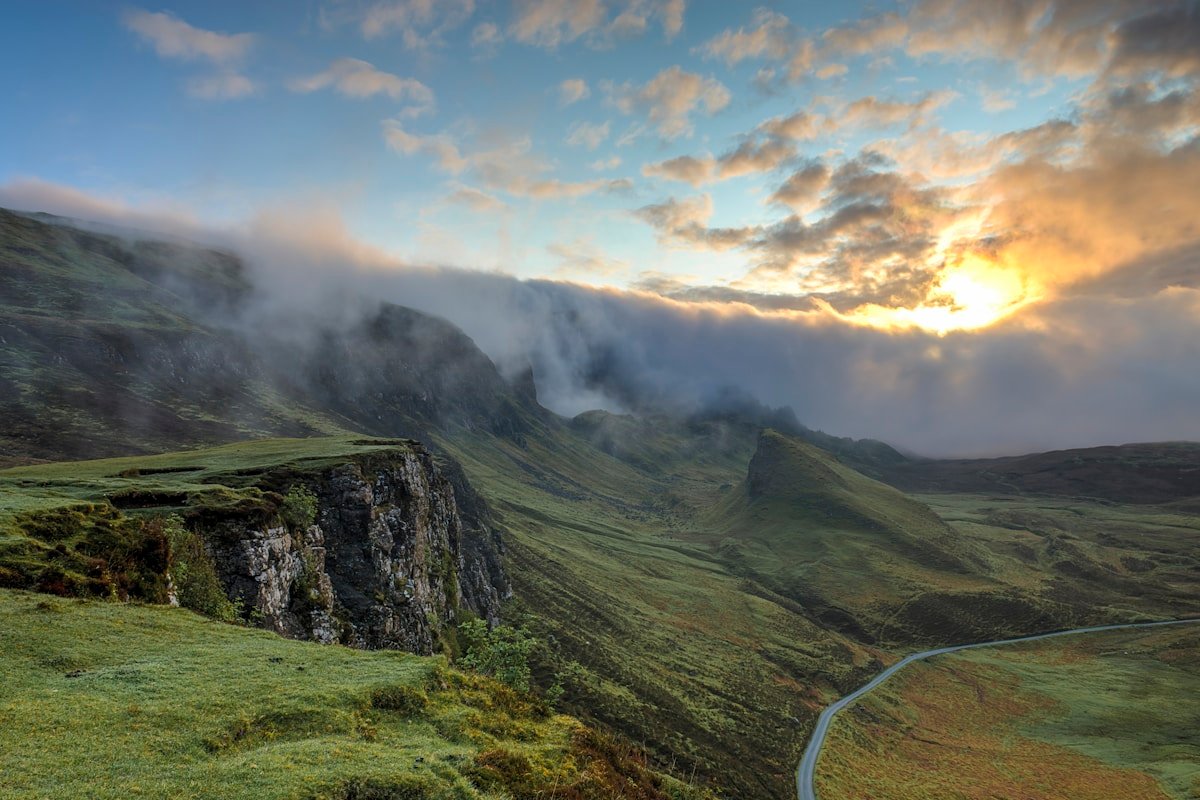
South of the Tianshan, near the edge of the Taklamakan and around the Turpan basin, a few desert camps offer the dune-and-fire experience: a yurt or tent, a bonfire, and a silence that has weight. I tried one outside Turpan in April and the temperature swing from day to night was 25 degrees, so the camp’s blankets mattered more than the view. These are seasonal and basic; treat them as an adventure, not a hotel. The reward is a dawn over dunes with no one else in sight and a sky so clear you can make out the Milky Way without trying, which is the reason to go at all.
If you bring your own gear
Self-drive travelers with a car can skip the camps and use the established sites. The RV and campervan guide covers the vehicles built for it. I have done both, and a roof tent on a quiet grassland track gave me the best night of the lot, because I picked the spot and answered to no one. The catch is water and waste: carry out everything, and never camp inside a paid scenic area without permission, because the rangers there are serious and the fines are real.
What to check before you book
Four questions save every bad night. Does it have a real bathroom, or a pit? Is there hot water, and at what hours? Are meals included, or do you bring your own (many remote camps have no shop)? And is there a heater or air conditioning for the season you are in? I once skipped these and spent a September night in a yurt that was beautiful by day and an icebox by midnight. Now I ask, and I pack a sleeping bag rated lower than the forecast besides, because the steppe cools faster than the forecast admits.
Pairing camps with hot springs
A trick I learned late: after a few cold camp nights, a hot spring resets you. The hot springs guide maps the natural spas near the main drive routes, and I now build one into every trip as a reward night. Soak, sleep in a warm room, and the next day’s driving is easier. It is the cheapest luxury on a long Xinjiang loop, and the contrast between a starlit yurt and a warm mineral pool a day later is its own kind of rest.
My honest take
Xinjiang’s camps are not luxury, and the best ones are honest about it. But a good yurt on a silent meadow, or a cabin by a blue lake at first light, is a memory the city hotels cannot touch. Learn the four questions, book the weekday, and let the sky do the rest. Some of my favourite hours in this region were spent doing nothing but watching stars from a camp chair, and that is the trip I would tell anyone to plan for, because the days will take care of themselves.