
Kayaking and Paddleboarding Xinjiang’s Lakes on a Self-Drive Trip
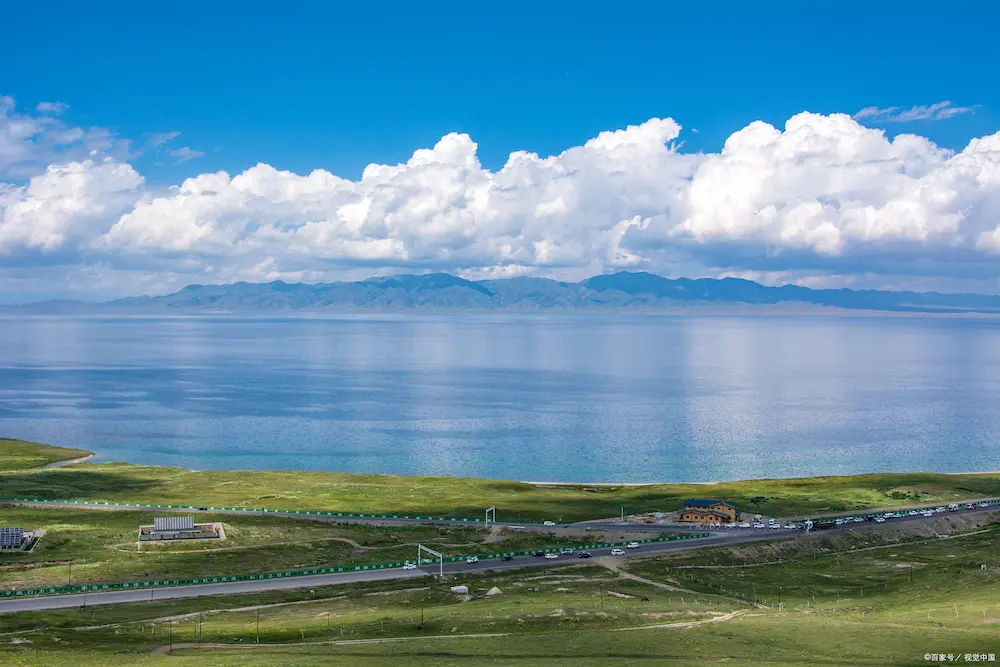
The first time I paddled a Xinjiang lake I almost did not go in. I was standing on the shore of Sayram at 7am, the water a deep green I had only seen in photos, and I was sure it would be freezing. It was, around 14°C, but the wind was dead calm and the inflatable kayak I had carried from home slid out without a sound. For the next hour I had a whole alpine lake to myself, the only motion a line of geese far across the water. That morning is why I now pack a paddle on every Xinjiang loop, even when the trunk is already full.
Why Paddle Xinjiang’s Lakes
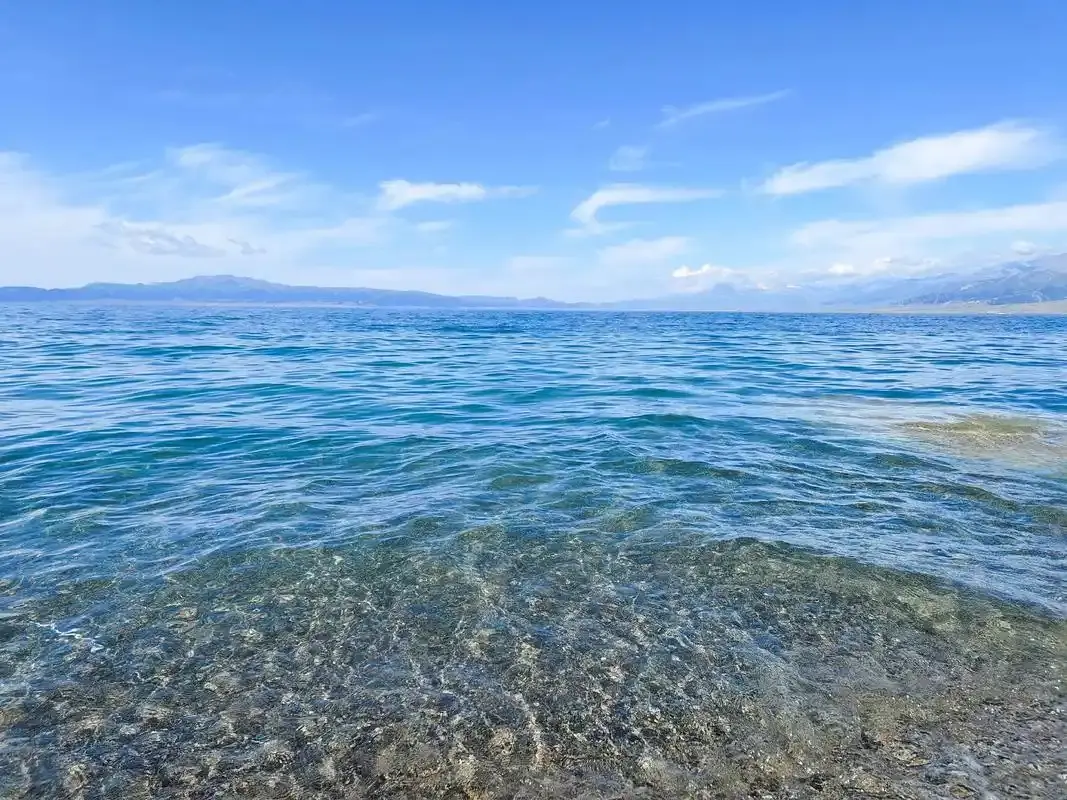
Most visitors see these lakes from a parking lot or a boardwalk, packed with buses by ten. From the water you get the place to yourself and a view of the shore you cannot get any other way. The scale is the thing. A lake like Bosten is the largest freshwater lake in the region, and from a board you realize how big the horizon really is. Paddling is also quiet, cheap once you own the kit, and a good way to stretch stiff legs after a 500km driving day.
Non-motorized paddling fits the self-drive style because the boats pack small. An inflatable kayak or paddleboard rolls into a backpack-sized bag that rides easily in the trunk beside the spare tire. You are not tied to a rental shop’s hours, and you can stop at any safe shore and be on the water in ten minutes.
Which Lakes Allow Non-Motorized Paddling
Sayram Lake
Sayram Lake is the highest easy-access alpine lake on the northern loop, sitting at about 2,070m. The paid scenic zone technically restricts where you can enter the water, but the ring road has several pullouts on the west and north shores where paddlers launch away from the ticketed beaches. I launched there at 6:30am and had the glassy surface to myself before the first tour bus arrived at nine. The water stays cold, around 12 to 15°C in high summer, so a wetsuit is smart if you plan to swim.
Kanas Lake
Kanas Lake is the postcard lake of the Altay range, a long fjord-like ribbon at roughly 1,370m ringed by spruce. Paddling is allowed on the open lake away from the ferry and the marked swimming bans near the village. The catch is the morning fog and the quick afternoon wind. I paddled the south arm for an hour at dawn and was back on shore by 8am as the breeze started to chop the surface. Permits for the Kanas area are checked at the gate, so have your documents ready.
Bosten Lake
Bosten Lake water sports are the most developed in the region, with a few seasonal rental kiosks on the busy western shore near the resorts. The eastern and northern reedy shores are quieter and better for a self-launched inflatable. Bosten warms more than the alpine lakes, sometimes to 18°C in August, which makes it the most pleasant for a long paddle. Watch the reeds for shallow bars; I clipped one and had to hop out and drag the board across six meters of knee-deep water.
Ulungur and the Smaller Waters
Ulungur Lake fishing villages sit on a big, shallow lake north of Urumqi that sees few foreign paddlers. The water is calm and the birdlife is thick in spring. Smaller spots like the reservoirs near Korla and the back bays of Bosten are also fair game, with no fence and no fee. I treat any unmarked water as paddleable unless I see a sign or a local waves me off.
Bring Your Own or Rent
Most travelers fly into Urumqi or Kashgar and cannot bring a hard board, so an inflatable is the answer. A decent inflatable kayak runs 800 to 1,500 yuan and packs to the size of a large sleeping bag. A paddleboard costs similar money and is easier to carry but harder in wind. I bring my own because rentals are scarce and often closed outside July and August. When I have found a kiosk open, rates were 60 to 120 yuan an hour, which adds up fast over a multi-day trip.
Pump, paddle, leash, and a life vest are the minimum. I also carry a dry bag for the phone and a small repair patch kit, because a thorn from riverside scrub has punctured me twice. Weigh the packed boat before you fly; most airlines count it as normal luggage if it is under 23kg.
The choice between a board and a kayak is worth a thought before you buy. A paddleboard is quicker to inflate and easier to strap on a roof, but it leaves you standing in the wind, which is punishing on Sayram. A kayak sits lower, tracks better in a breeze, and keeps your center of gravity down, so it is my pick for the big, exposed lakes. I bring both on long trips and decide each morning by the forecast, which I check on the phone before bed.
Permits and the Fenced-Zone Problem
The single biggest limit on paddling here is the fence. Many lakes sit inside a ticketed scenic area, and the management often bans entering the water inside the paid zone to protect swimmers and control traffic. The work-around is to launch from outside the barrier, on a public shore or a pullout on the loop road. At Sayram and Bosten this is straightforward if you scout the ring road the evening before. At Kanas the village beach is the sanctioned launch, and I stayed there to avoid a fuss with the wardens.
Border areas are different. Lakes near the Kazakh or Kyrgyz frontier can require extra checks, and some stretches are off-limits entirely. If a sign is in two languages or a fence runs to the water, I do not launch. The cost of being wrong is a long talk with police, which is a poor use of a holiday.
Best Seasons and Water Temperatures
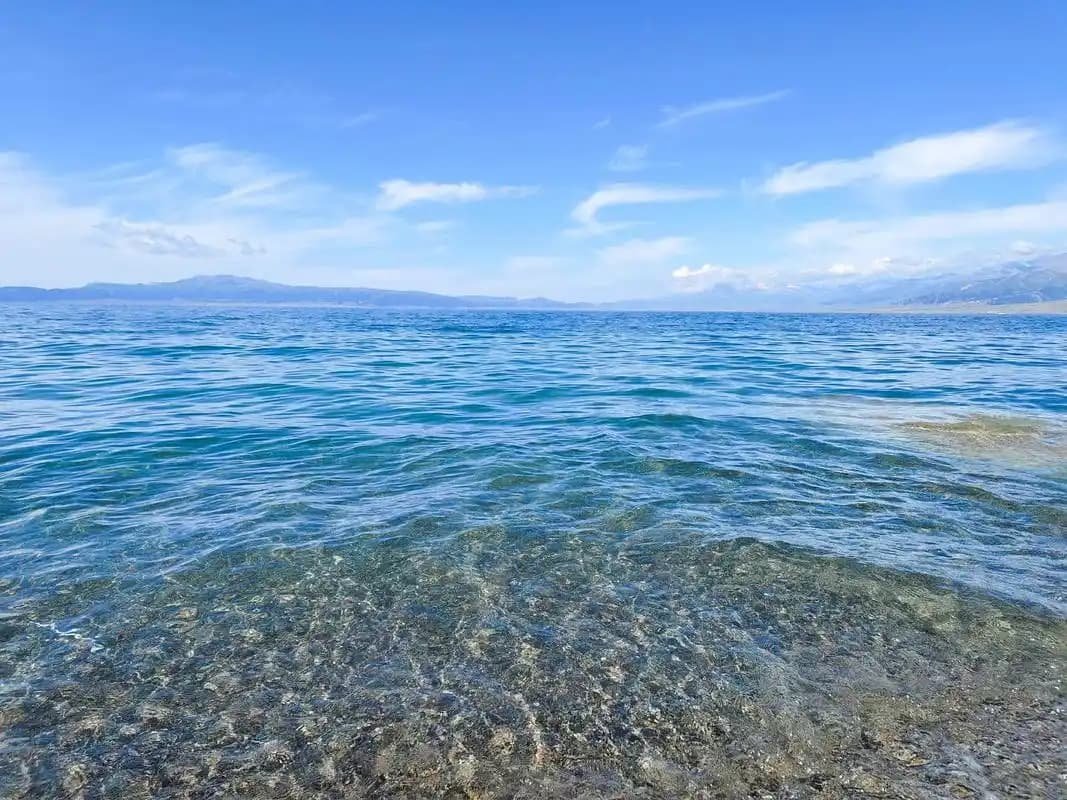
June through September is the paddle window. May is too cold and windy, and October brings early ice on the high lakes. Water temperatures climb from about 10°C in early June to 15°C by July at the alpine lakes, and Bosten can touch 18°C in August. I aim for July and August for warmth, but I accept the crowds by paddling at dawn. Late September is calm and empty, with the trade-off of 12°C water that discourages swimming.
Distance matters for planning. Sayram is 540km from Urumqi, about a six-hour drive. Kanas is another 400km north of Urumqi and best done as an overnight loop. Bosten is 380km south, an easy day trip if you start early. None of these are quick hops, so I build the paddle into a multi-day drive rather than racing there and back.
Safety: Cold, Wind, and Altitude
Cold water is the real hazard. At 14°C, a capsize can cause numbness in minutes, so I wear the life vest and stay within 100m of shore on unknown water. Wind is the second risk. Xinjiang lakes can go from flat to whitecapped in twenty minutes, especially Sayram and Bosten, where afternoon gusts reach 50km/h. I paddle before 9am and am off by the time the breeze builds. Altitude at Sayram and Kanas sits near 2,000m and 1,400m respectively, mild but enough to make a long paddle feel harder than at home.
I tell a friend my launch spot and expected return, carry a whistle, and never paddle alone after dark. A cheap personal locator beacon is worth it if you go on the big, empty lakes like Ulungur. None of this is scary; it is just the discipline that keeps a fun morning from turning into a rescue.
Know the early signs of trouble. Numb hands, slurred speech, and shivering that stops are the markers of hypothermia, and they arrive faster than you expect in 14°C water. I keep a warm layer and a thermos of hot tea in the car for the moment I land, and I change out of wet clothes within minutes. If the wind lifts whitecaps, I head in without pride; the lake will be there tomorrow. Locals who fish these waters respect the afternoon breeze for good reason, and so should you.
What to Wear and Carry Afloat
Dressing for these lakes is less about style than about the gap between air and water temperatures. A July morning can read 22°C on the shore and still have 15°C water lapping your ankles, so I paddle in a wetsuit or at least neoprene shorts and a windproof top. Sunglasses with a retainer string save you from losing them in the first gust, and a sun hat that clips on matters because the UV at altitude is fierce by 9am. I keep a dry set of clothes in the car for the instant I am off the water.
The small kit earns its weight. A 20-yuan throw rope has pulled me off a reed bar, and a tube of lip balm and a bottle of water sit in the dry bag on every trip. I also clip a folding knife to the life vest; reeds and fishing line wrap a fin, and a quick cut beats a swim. None of it is heavy, and after a couple of seasons the bag is packed the same way each time so I never forget the one thing I end up needing.
A Morning on the Water
My favorite paddle was on Bosten in early July. I camped on the east shore, woke at 5:40am to a windless dawn, and inflated the kayak in the dark by headlamp. By first light I was 200m out, the reeds behind me humming with birds, the far shore a faint line. The water was 16°C, cool on the hands but fine. A fish jumped ten meters off, then another. I paddled slowly for forty minutes, turned back as the sun cleared the ridge, and was drinking tea on the tailgate by 7am. No fee, no crowd, no rush.
That is the version of Xinjiang you do not get from a tour bus window. It is also why I pair paddling days with driving days, so the boat earns its space in the trunk.
Building Paddling Into a Self-Drive Loop
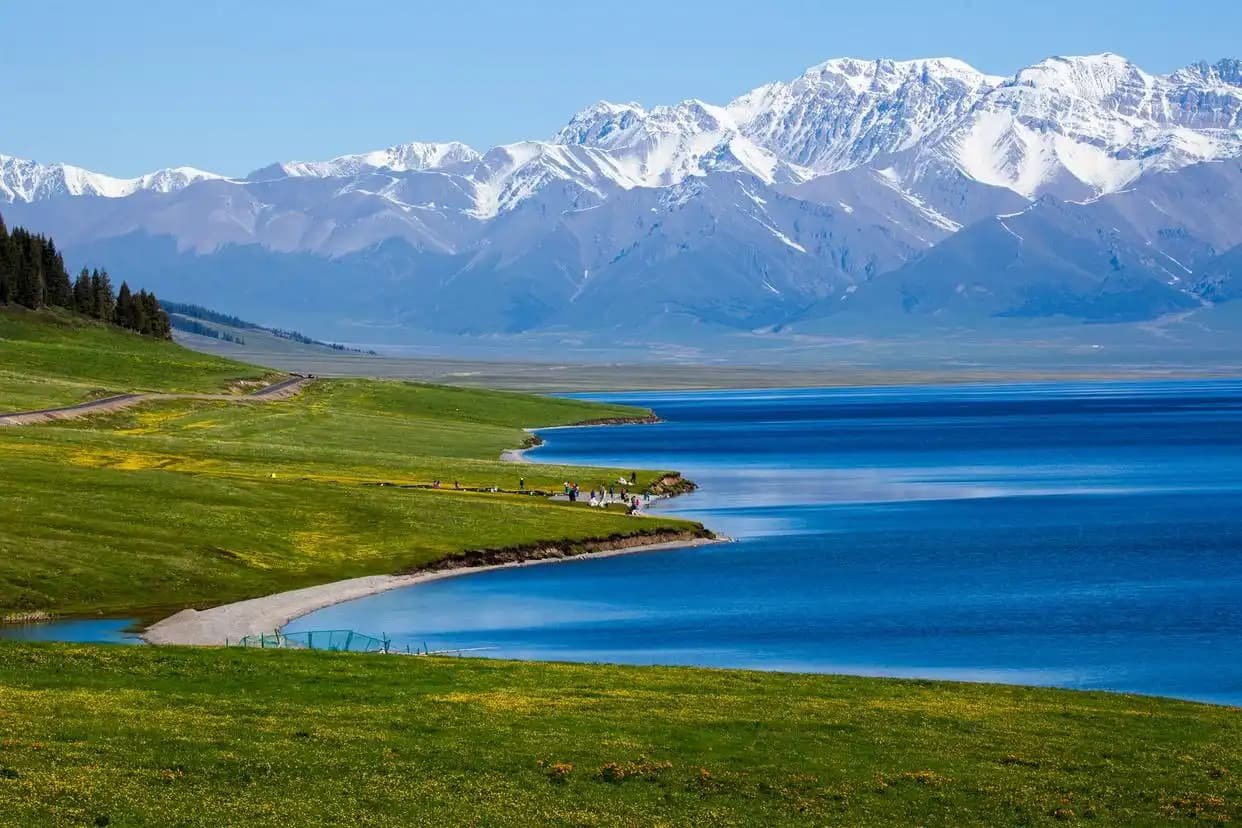
The smart way to do this is to plan one paddle per region rather than chasing every lake. On a northern loop I paddle Sayram on the way west and Kanas on the return, with Bosten as a bonus if I am coming from Urumqi. I keep the boat inflated and strapped in the trunk so a calm morning needs no setup. For anglers, the same lakes are covered in the fishing the lakes of Xinjiang guide, and I often combine a paddle with a line dropped off the board at first light.
Give yourself a rest day at a lake town every third day so the paddling does not become a chore. Yining makes a good base for Ili water, and Korla for Bosten. Book those nights, paddle the free mornings, and let the open road fill the gaps. That balance is what makes a Xinjiang paddle trip stick in the memory instead of the lungs.
The money side is easy to swallow. Once you own an inflatable, a paddle day costs nothing but the fuel to reach the shore, and even renting runs 60 to 120 yuan an hour against a hotel spa session that would cost ten times that. Spread the 800 to 1,500 yuan kit cost across two or three trips and the boat pays for itself, then just keeps giving you the best seats on water that most visitors only photograph from the car park.
Karl Huang drove these routes across Xinjiang between 2019 and 2026. He updates guides when road conditions, prices, or permit rules change. You can reach him through the Contact page.